Is Japan worth visiting in 2026?
Yes, and it may be the best value in over a decade. The weak yen makes 2026 roughly a quarter cheaper for visitors, while record crowds mean the difference between a magical trip and a stressful one comes down to when you go and where you point yourself. I lived in Japan for six years, across two stays, so here is how I would plan it now.

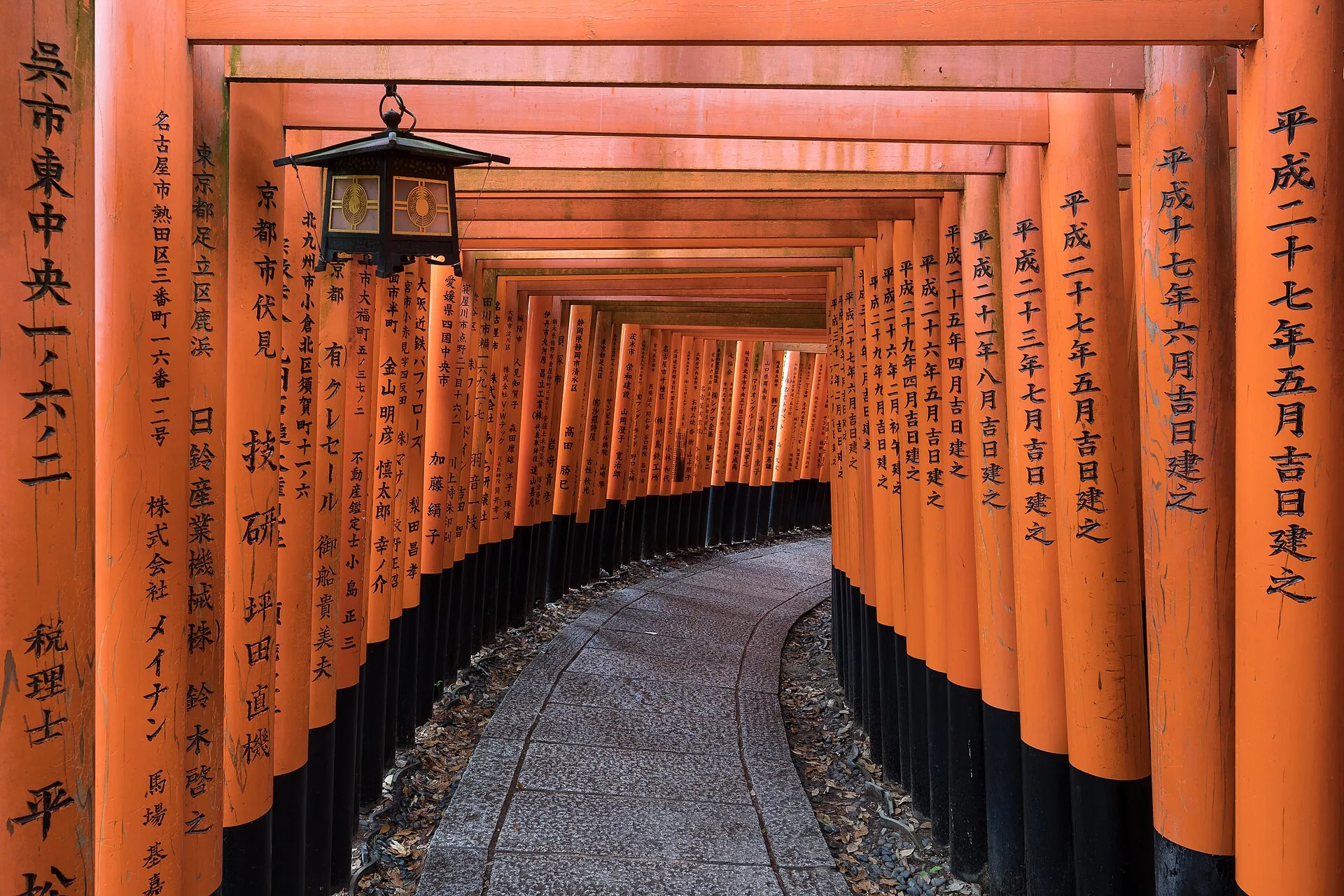
Two things are true about Japan in 2026 at the same time. It is more affordable than it has been in years, and it is more crowded than it has ever been, with tourist numbers well past forty million. The crowds are real, but they are manageable with a little planning and a route that skips the obvious three-city loop everyone else is on.
When should you go in 2026?
Spring cherry blossoms and autumn maples are the postcards, and they are also the busiest, priciest weeks of the year. If those seasons are the dream, we book far ahead and build in room to breathe. If you have flexibility, the smarter windows are quieter and gentler on the budget:
- Late May: after the Golden Week holiday, prices drop and the crowds thin, with warm, clear days.
- January to early March: crisp, calm, and the best value of the year, with snow country at its most beautiful.
- Early June: lush and green before the summer heat and the rainy season settle in.
Where do you dodge the crowds?
Most first trips run Tokyo to Kyoto to Osaka, which is exactly where the forty million are. Those cities earn their fame, so we keep them, then we thread in places that most itineraries skip. Kanazawa for gardens and old streets without the crush. Takayama and the thatched farmhouses of the Japanese Alps. Naoshima for art set against the Inland Sea. Kyushu in the south for hot springs and a slower pace. The country is much bigger than its three headline cities, and the quiet corners are where it opens up.
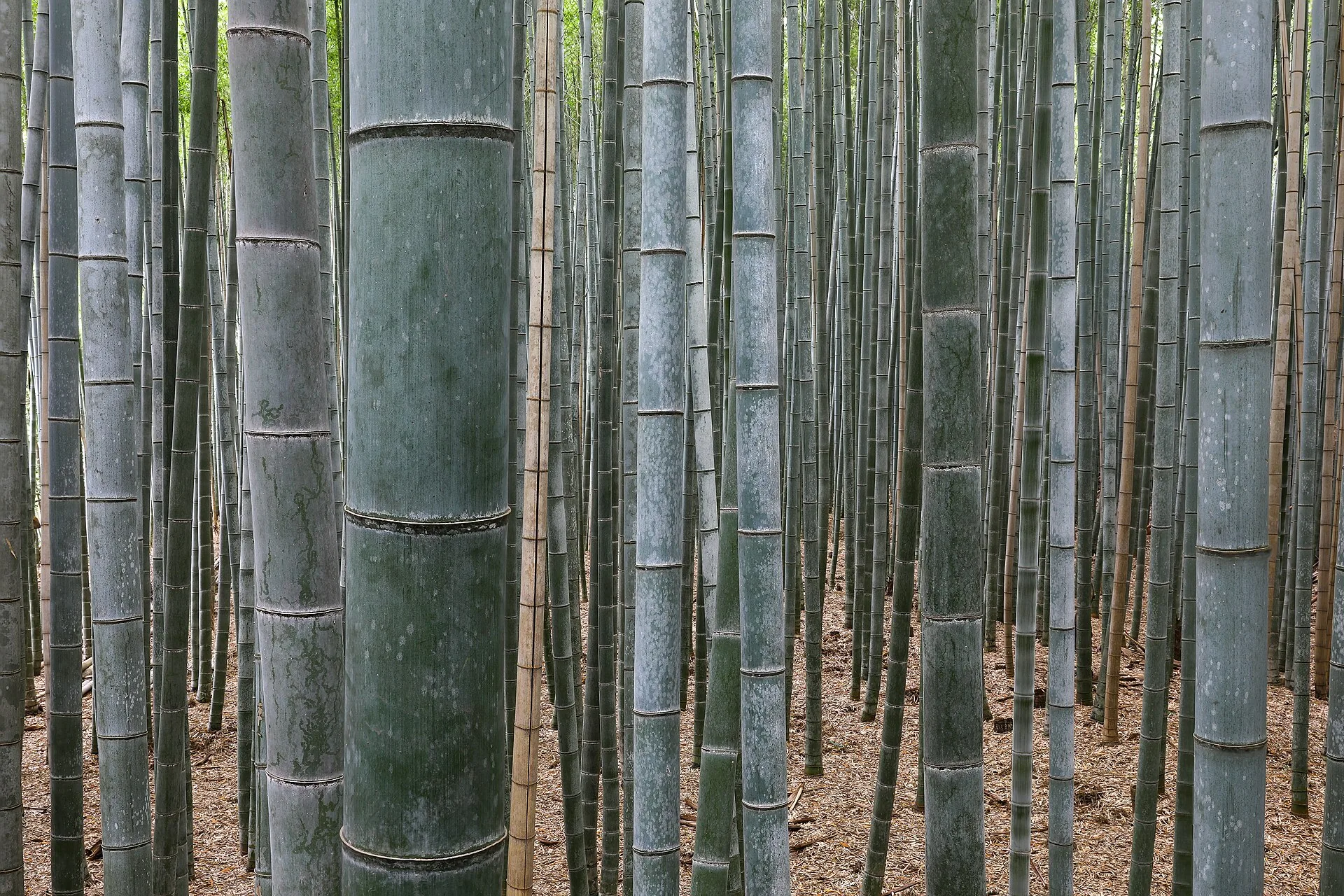
The magic of Japan is in the timing. The same temple is transcendent at seven in the morning and a scrum by noon.
How do you make a first trip feel easy?
Japan rewards preparation in a way few places do. Reservations for the best small restaurants open and close weeks ahead. The rail system is a marvel and a maze. Some of the most special stays, a ryokan with a private hot spring, a design hotel with a handful of rooms, sell out early. This is precisely the kind of trip where an advisor earns her keep, because the difference between a good week and an unforgettable one is made in the details you cannot see from a search bar.
When I plan Japan, I build the days with the rhythm I learned living there: temples and markets early, a long unhurried lunch, an afternoon that is allowed to wander, an evening booked well in advance. You arrive to a trip that already fits together, and you get to simply be in it.
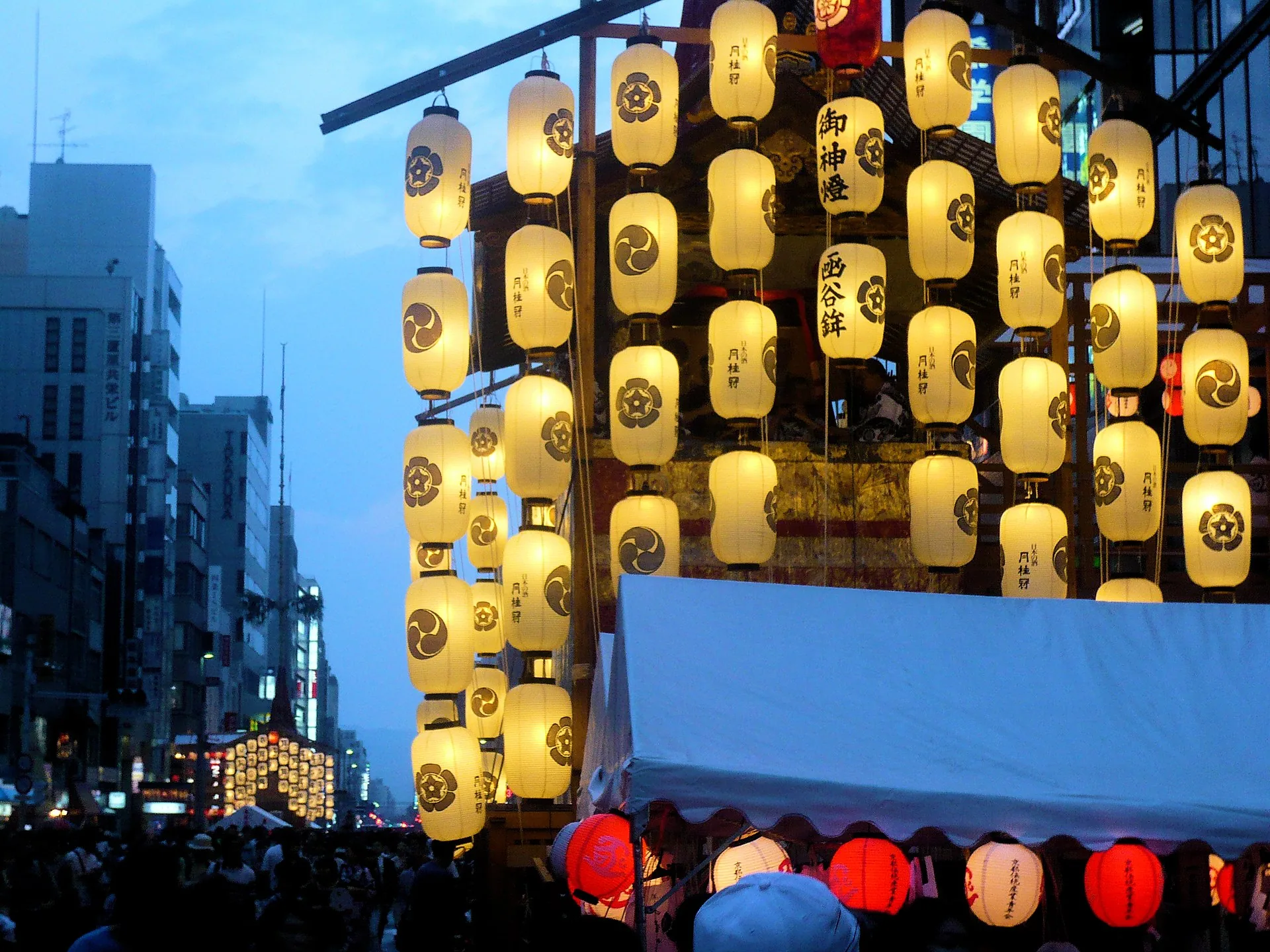
So, is it worth it?
It is one of the few places I lived that I still miss in my body, the food, the courtesy, the way beauty is treated as a daily practice rather than a special occasion. In 2026, with your money going further, it is worth it, and worth doing well, which for most travelers means a little help shaping the route and holding the reservations that matter.
Planning a bigger celebration or a trip for several people? My Group Travel Planning Guide covers the ten decisions worth making before you book, and the services page lays out the levels of support.
Start Planning Your Japan Trip
Photography via Wikimedia Commons: Torii path with lantern at Fushimi Inari Taisha Shrine, Kyoto, Japan by Basile Morin (CC BY-SA 4.0); Bamboo Forest, Arashiyama, Kyoto, Japan by Basile Morin (CC BY-SA 4.0); Yoiyama - The Gion Festival - July 14, 2008 by Stéfan (CC BY-SA 2.0).